
When Should Kids Start Dance Classes? A Parent's Guide to Dance for Ages 2–5
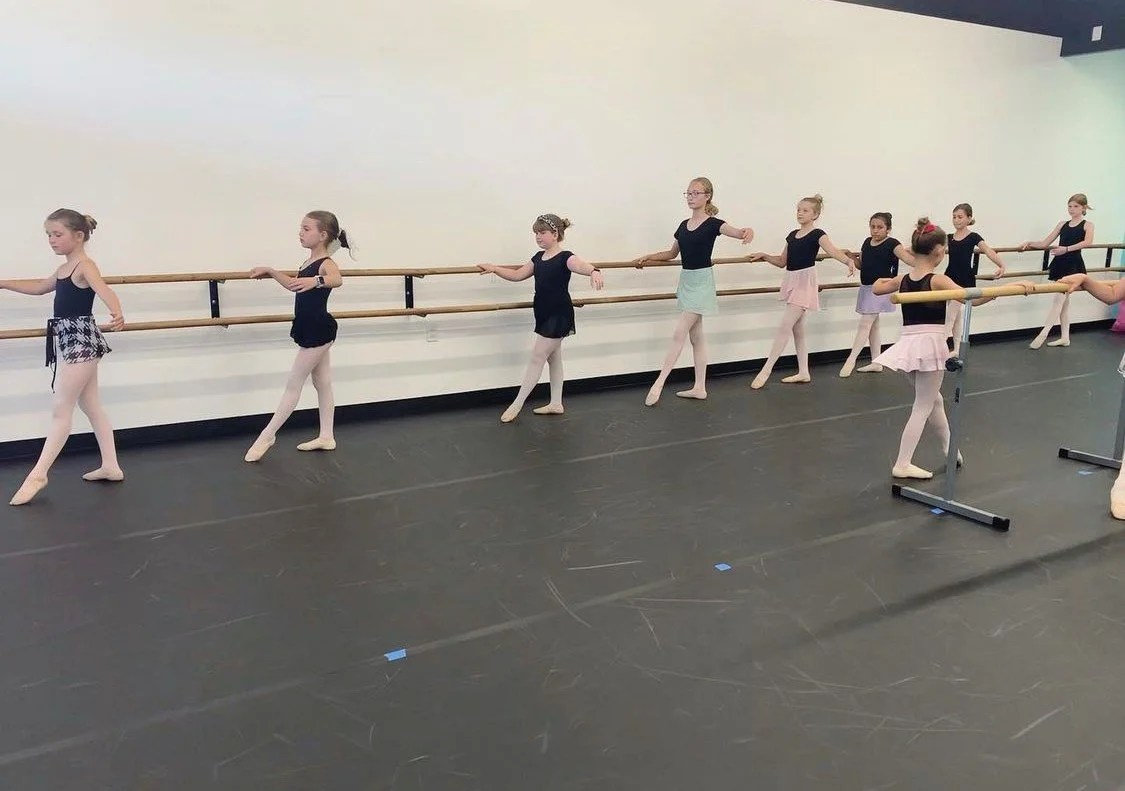
For Austin parents, the preschool years often fill up quickly with playgroups, library visits, swimming, music, and other activities. Dance can be a fun addition, but parents often wonder whether age 2, 3, 4, or 5 is the right time to begin.
The good news is that children do not need to reach a single perfect age before trying dance. What matters most is finding an age-appropriate class that matches a child's attention span, comfort level, physical development, and interest in movement.
Quick answer: Many children can begin introductory dance experiences around ages 2 to 3, while ages 3 to 5 are often well suited for more structured preschool dance classes. At these ages, the goal should not be technical perfection. A good early-childhood dance class focuses on movement, rhythm, listening, coordination, creativity, and learning how to participate in a group.
What Austin parents should know
A 2-year-old's first dance experience may look more like guided movement and music than a traditional dance lesson.
By ages 3 and 4, many children are better able to follow simple directions, take turns, and participate independently for short periods.
Five-year-olds may be ready for more structured instruction while still benefiting from imaginative, playful teaching.
Austin families should consider class timing carefully, especially when lessons compete with preschool schedules, naps, traffic, and other activities.
The best starting age depends more on developmental readiness than on whether another child in the same Austin neighborhood has already started classes.
What Is the Best Age to Start Dance Classes?
The best age to start dance classes is usually between 2 and 5, provided the class is designed specifically for the child's developmental stage. Younger children benefit most from playful movement experiences, while older preschoolers are often ready for clearer routines, basic dance vocabulary, and more independent participation.
There is no advantage to rushing a child into a class that expects skills beyond what is reasonable for their age. A positive introduction to movement can help children associate dance with creativity, music, confidence, and enjoyment.
For families throughout Austin and Travis County, the practical question is often not simply, "How young can my child start?" A better question is, "What kind of class is appropriate for my child right now?"
What Should Parents Expect From Dance Classes for 2-Year-Olds?
Dance classes for 2-year-olds should emphasize music, movement, imagination, and simple physical exploration rather than formal technique. At this age, children are still learning how to listen in a group, copy movements, transition between activities, and feel comfortable in a new environment.
A class might include simple actions such as marching, stretching, jumping, clapping, moving to different rhythms, or pretending to move like animals or favorite characters.
For an Austin toddler who spends much of the week at home, preschool, or visiting places such as Zilker Park and neighborhood playgrounds, dance can offer another structured opportunity to explore movement.
Parents should also expect variation. One 2-year-old may join every activity enthusiastically, while another may spend several classes watching before participating more fully.
Are 3-Year-Olds Ready for More Structured Dance?
Many 3-year-olds are ready for a little more structure because they can often follow short sequences of directions and remain engaged for longer periods. A preschool dance class can begin introducing basic positions, simple patterns, musical cues, spatial awareness, and classroom routines while keeping instruction playful.
At Shirley McPhail School of Dance, we believe early dance experiences should meet young children where they are developmentally. Preschoolers are still learning how to separate from caregivers, take turns, listen to teachers, and manage excitement in a group.
For families traveling from different parts of Austin, including areas such as Mueller, South Austin, or neighborhoods near Central Austin, choosing a class that fits comfortably into the family's weekly routine can also make participation easier.
What Can Children Learn From Dance Between Ages 2 and 5?
Children ages 2 to 5 can use dance to practice coordination, rhythm, listening, body awareness, creativity, and group participation. These abilities develop gradually, so progress may appear as small changes such as remembering a movement, waiting for a turn, following a musical cue, or becoming more comfortable participating without a parent.
Early dance classes may support:
Balance and basic coordination
Awareness of personal space
Listening and following directions
Musical rhythm and timing
Memory through simple movement patterns
Imaginative expression
Comfort participating with peers
Parents should not expect every child to progress at exactly the same rate. Preschool development can change significantly even within a few months.
How Can You Tell Whether Your Child Is Ready for Dance?
A child may be ready for dance when they show interest in music and movement, tolerate a short group activity, and can follow at least a few simple instructions. Readiness does not require perfect attention or independence, especially for children at the younger end of the 2-to-5 age range.
Signs your child may be ready include:
Dancing or moving spontaneously when music plays
Trying to copy movements demonstrated by adults or other children
Enjoying active games that involve jumping, marching, or spinning
Following simple one-step directions
Showing curiosity about dance classes
Participating in short group activities
Becoming increasingly comfortable away from a caregiver
A child does not need to show every sign before starting. The class itself can help children practice many of these skills.
What If My Child Is Shy or Does Not Participate Right Away?
A shy child can still be ready for dance because watching, warming up slowly, and gradually participating are normal responses for many preschoolers. Children ages 2 to 5 often need repeated exposure to the classroom, teacher, music, and routine before they feel comfortable joining every activity.
This is especially worth remembering when a child's daily environment is changing. A preschooler beginning a new school year, adjusting to a new Austin childcare program, or managing several new activities at once may need additional time.
Parents can help by keeping expectations low-pressure. Rather than asking whether the child performed each exercise correctly, ask what song they liked, what movement was fun, or what they remember from class.
How Should Austin Parents Choose a Preschool Dance Class?
Austin parents should choose a preschool dance class based on age-appropriate expectations, teaching style, schedule, class environment, and how comfortably their child responds to the experience. The youngest dancers need a very different classroom approach than elementary-age students.
Consider whether the program:
Groups children by appropriate ages or developmental stages
Uses movement activities suited to short preschool attention spans
Balances instruction with creativity and imagination
Sets realistic expectations for young children
Provides clear information about class procedures and parent involvement
Offers a schedule your family can maintain consistently
Austin traffic and drive times can also matter. A class that looks convenient on a map may be harder to manage during busy afternoon periods, particularly for families coming from Round Rock, Cedar Park, or other nearby communities.
What Are Common Mistakes Parents Make When Starting Dance?
The most common mistakes are expecting too much too soon, comparing children, and choosing a class based only on how early a child can begin. Early dance works best when the experience is developmentally appropriate and gives children room to build confidence gradually.
Mistake: Comparing your child with classmates.
Consequence: Parents may worry unnecessarily when another child follows directions more quickly.
Better approach: Look for individual progress over several weeks or months.
Mistake: Expecting preschool dance to look like advanced training.
Consequence: Playful activities can appear less valuable than they actually are.
Better approach: Recognize that imagination, rhythm, coordination, and classroom participation are important early skills.
Mistake: Overscheduling.
Consequence: A tired preschooler may struggle to enjoy class.
Better approach: Consider naps, school hours, meals, and Austin commute times when selecting a schedule.
Mistake: Quitting after one hesitant class.
Consequence: A child may not have enough time to become familiar with the environment.
Better approach: When appropriate, allow time for a gradual adjustment.
Is Dance Better Than Other Activities for Preschoolers?
Dance is not automatically better than other preschool activities, but it offers a distinctive combination of music, physical movement, creativity, listening, and group participation. The right activity depends on your child's personality, interests, schedule, and the type of experience your family wants.
A child who loves running around Lady Bird Lake trails with family, playing at local parks, swimming, or attending gymnastics may also enjoy dance. These activities do not have to compete with one another.
For many young children, preschool is a time for exploration rather than specialization.
What Results Should Parents Expect From Early Dance Classes?
Parents should expect gradual development rather than immediate technical dance skills. A successful first dance experience may mean that a child becomes more comfortable following a teacher, remembers simple movements, develops stronger coordination, enjoys music more actively, or gains confidence participating with other children.
Progress can also be inconsistent. A 3-year-old may participate enthusiastically one week and prefer watching the next. That variability is normal for this stage of childhood.
Our goal with young dancers is to help make the learning process positive, approachable, and appropriate for their age.
When Should Parents Consider Waiting?
Parents may consider waiting when a child consistently becomes overwhelmed by group activities, cannot yet tolerate the class format, or simply shows no interest in participating. Waiting a few months does not mean a child has fallen behind.
For children between 2 and 5, a relatively short period can bring substantial changes in communication, independence, attention, and comfort with new environments.
If your Austin preschooler's current schedule already includes school, therapy, sports, or other structured commitments, leaving additional free time may also be the better choice.
A Common Austin Family Scenario
A common Austin scenario is a parent whose 3-year-old loves dancing around the house but becomes quiet when entering an organized class. The parent may wonder whether that reaction means the child is too young.
Not necessarily. The unfamiliar room, teacher, other children, and separation from a parent can all influence the first few visits. If the class is appropriate for the child's age, gradual familiarity may make a significant difference.
The goal is not to force participation. It is to provide an environment where movement and learning can become comfortable.
What Dance Options Should Parents Explore?
The right dance option should match your child's age, experience, attention span, and interest rather than simply placing the youngest possible student into a traditional technique class. Parents can ask about preschool-specific classes and how instruction changes as children become more independent.
We can help families understand which available class options may be appropriate for children at different stages between ages 2 and 5.
Explore preschool dance class options for your child
How Do You Compare Starting at Age 2, 3, 4, or 5?
Starting at ages 2, 3, 4, or 5 can all be appropriate, but the classroom experience should change as children develop. The biggest difference is not whether one starting age is superior. It is how much structure, independence, and instruction a child is prepared to manage comfortably.
Age What Dance May Look Like 2 Guided movement, music, imitation, imagination, and short activities 3 Simple directions, movement patterns, rhythm, and introductory classroom routines 4 Greater independence, longer combinations, coordination, and basic dance concepts 5 More consistent structure, technique foundations, memory, and classroom independence
Starting later within this range does not mean a child has missed an essential window.
Where Can Austin Families Begin Dance Classes?
Austin families can look for age-appropriate dance opportunities that fit their child's developmental stage and their family's weekly routine. Families may travel from Central Austin, South Austin, Mueller, Travis County communities, and nearby areas such as Cedar Park and Round Rock depending on the program and schedule.
Consistency is often easier when the class location and time work naturally with preschool, meals, naps, and family responsibilities.
What Happens If Parents Wait Too Long to Try Dance?
Waiting through the preschool years usually does not prevent a child from enjoying dance later, so parents should not feel pressured to start solely because other children have. The more relevant concern is missing an activity your child is currently interested in and ready to explore.
If a preschooler repeatedly asks to dance, imitates movement, or becomes excited by music, trying an age-appropriate class can help parents see whether organized dance is a good fit.
Find an age-appropriate class and give your child an opportunity to explore dance
Frequently Asked Questions
Can a 2-year-old take dance classes in Austin?
Yes, some 2-year-olds can participate successfully in dance experiences designed specifically for toddlers. At this age, parents should expect guided movement, music, imagination, and simple activities rather than formal technical training. Ask how the class accommodates short attention spans and whether caregiver participation is part of the format.
Is age 3 a good time to start dance in Austin?
Yes, age 3 can be a good time to start because many children are developing the ability to follow simple directions and participate in short group activities. An Austin preschool dance class should still prioritize playful, age-appropriate movement rather than expecting young children to perform with elementary-age levels of focus.
Is my 4-year-old too old to be a beginner?
No, a 4-year-old is not too old to begin dance. Four is still very early in a child's movement development, and beginners at this age can learn classroom routines, musical awareness, coordination, and foundational movements. There is no need to have started as a toddler to enjoy preschool dance.
Can my child start dance at age 5 with no experience?
Yes, children can start dance at age 5 without previous experience. Many 5-year-olds have the attention span and independence to participate in increasingly structured lessons while learning foundational skills from the beginning. The appropriate class placement matters more than whether your child previously attended toddler dance classes.
How often should a preschooler attend dance classes?
One regularly scheduled class may be enough for many preschool children, especially when they are new to dance. Young children often benefit more from consistency and enjoyment than from filling their week with multiple sessions. Austin parents should also consider preschool hours, naps, family schedules, and travel time.
What should my child wear to a preschool dance class?
What your child should wear depends on the specific class and studio requirements. Parents should ask about clothing, shoes, hair, and any other expectations before the first lesson rather than assuming every preschool program has the same dress guidelines. Comfortable participation and safe movement are especially important for young dancers.
What if my Austin child cries before dance class?
Crying before class does not automatically mean your child is not ready for dance. Preschoolers may react to separation, a new teacher, an unfamiliar room, or changes in routine. Ask the instructor about appropriate transition strategies and consider whether your child becomes more comfortable as the environment becomes familiar.
How do I know whether dance is a good fit for my preschooler?
Dance may be a good fit when your child enjoys music, movement, imaginative play, or copying physical actions and gradually becomes comfortable with the class routine. Parents should focus on whether the child enjoys participating and develops confidence rather than judging the experience by technical performance.
Help Your Child Build a Positive First Experience With Dance
There is no single perfect birthday for starting dance. Between ages 2 and 5, the right time is when your child is interested and the class offers expectations that fit their developmental stage.
At Shirley McPhail School of Dance, we can help Austin families explore dance options for young children without treating early childhood as a race to get ahead.
Find the Right First Dance Class for Your Austin Preschooler
Give your child an age-appropriate opportunity to explore music, movement, creativity, and the joy of dance.
Contact us today
